 AnatomyCompass
Parts of the brain: 3D video guide
A narrated walk round the 3D model: the camera moves to each of the 7 parts below, it lights up in yellow and the narration reads its card.
Chapters
In this video
Transcript
0:00 Introduction Parts of the brain: 7 structures on a 3D model of the head and neck, each one in yellow in turn.
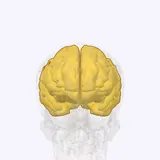
0:11 Cerebrum Cerebrum. The two cerebral hemispheres: a folded cortex of grey matter (gyri and sulci) over white matter tracts, divided into frontal, parietal, temporal, occipital and insular lobes.
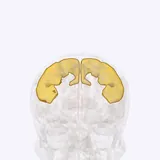
0:29 Precentral gyrus Precentral gyrus. The strip of cortex in front of the central sulcus that starts voluntary movement of the opposite side of the body.
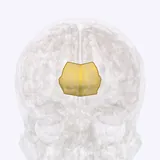
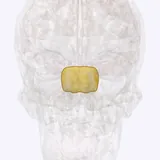
0:40 Corpus callosum Corpus callosum. The largest commissure: a broad band of white matter joining the two cerebral hemispheres; the smaller anterior and posterior commissures do the same.
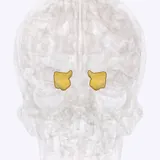
0:55 Hippocampus Hippocampus. A curled strip of cortex in the medial temporal lobe essential for forming new memories.
1:05 Pons Pons. The middle part of the brainstem, a bridge of fibres to the cerebellum.
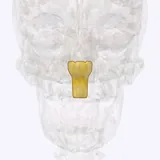
1:12 Medulla oblongata Medulla oblongata. The lowest part of the brainstem, continuous with the spinal cord at the foramen magnum.
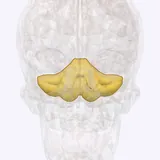
1:22 Cerebellum Cerebellum. The 'little brain' behind the brainstem that coordinates movement, balance and posture.
1:32 Summary Each of them has its own page on anatomycompass.app, with its full card and a 3D view.
See it in 3D on your iPhone
Peel the layers, spin the model, quiz yourself on it and stand it on your desk in AR. AnatomyCompass is coming to iPhone, iPad and Mac: get one email when it’s out.
More video guides
 1:38Bones of the skeletonClavicle, Scapula, Ribs, Humerus, Radius…
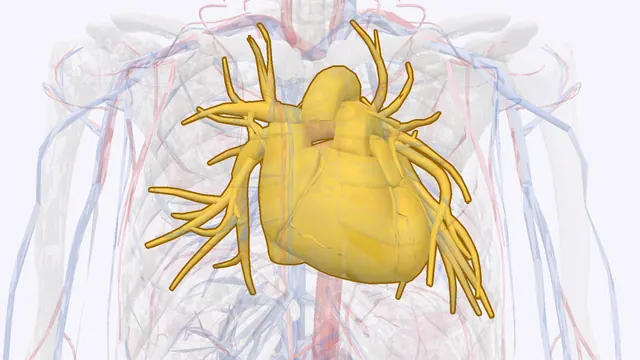 1:42Heart anatomyHeart, Right atrium, Left atrium, Arch of aorta, Pulmonary trunk and arteries…
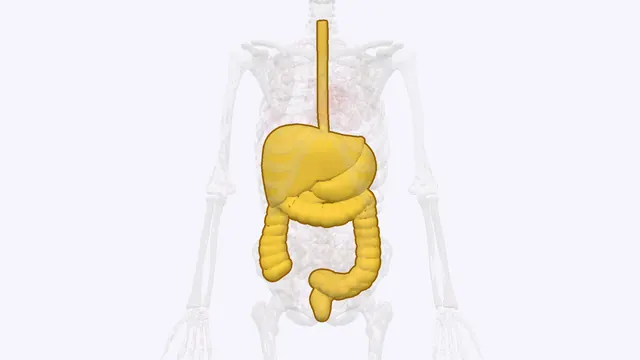 1:34Digestive system organsOesophagus, Stomach, Liver, Gallbladder, Pancreas…
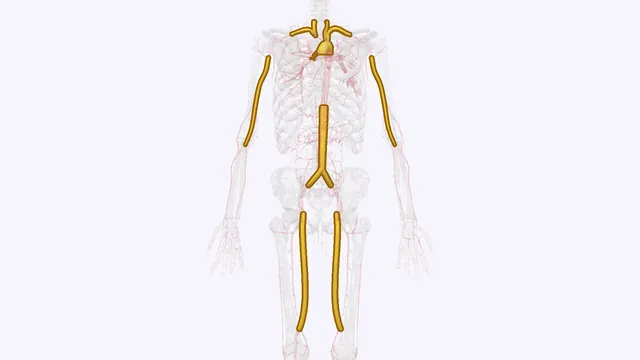 1:26Major arteries of the bodyArch of aorta, Common carotid artery, Subclavian artery, Brachial artery, Abdominal aorta…
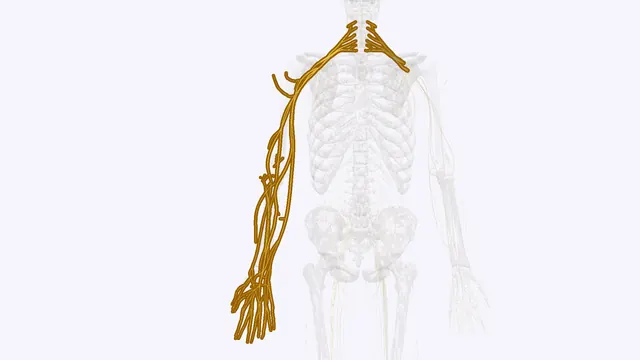 1:14Nerves of the arm (brachial plexus)Brachial plexus, Musculocutaneous nerve, Axillary nerve, Radial nerve, Median nerve…
 1:14Nerves of the leg (sciatic nerve)Femoral nerve, Obturator nerve, Sciatic nerve, Tibial nerve, Common fibular nerve…
Spotted something wrong? Tell us and we’ll fix it. This page is a study reference, not medical advice.